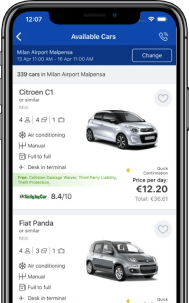
Cheap car rentals in Paris: Discover more than the postcard view
Paris is a place that needs no introduction. From the Eiffel Tower to fresh croissants on a quiet side street, the French capital is a dream for many travellers. But while it’s easy to get around by metro or on foot, renting a car gives you a whole new perspective.
With access to cheap car rentals in Paris, you’re not tied to a train schedule or tour group.
With Economybookings, it’s simple to browse and compare rental options to find a deal that works for your trip. And a few small tweaks to your booking can go a long way in saving money:
- Look beyond the city centre. Picking up your car at the airport or a train station might be cheaper.
- Change your pick-up or drop-off time slightly. Even an hour can make a difference.
- Stick with smaller cars. They’re usually cheaper to rent, easier to drive, and better for tight parking spots.
- Book early, especially if you’re travelling in the summer or around holidays when demand is high.
With your own vehicle, you can escape the crowds and explore peaceful countryside, charming villages, or even just make an easy day trip outside the city.
Tips when renting a car in Paris
- Public transport is great in the city, so a rental car is more useful for trips outside the centre.
- Try not to drive during peak times. Traffic builds up between 7:30 and 9:30 a.m. and again from 4:30 to 7:00 p.m.
- Airport locations like Charles de Gaulle or Orly often have more rental choices and better prices.
- Smaller cars are much easier to handle in the city, especially when parking.
- Before you drive off, give the car a good look. Take photos of any scratches or dents so you’re not blamed later.
- Ask your rental provider about tolls. Some cars come with a transponder, while others don’t.
Driving tips in Paris
- Always drive on the right-hand side and pass on the left.
- Speed limits are enforced by cameras, and fines are passed on to you through the rental company.
- Everyone in the car must wear a seat belt.
- Kids under 10 must ride in the back and need the right child seat.
- You can only talk on your phone while driving if you’re using a built-in or speakerphone hands-free system.
- Parking in central Paris is tricky. Look for underground garages or use park-and-ride lots on the edge of town.
Speed limits
Speed rules in Paris follow national French guidelines:
- Most neighbourhood streets are now 30 km/h to improve safety.
- The city’s ring road, Boulevard Périphérique, is limited to 50 km/h.
- Once you leave the city, expect 80 to 90 km/h on main roads.
- Highways (autoroutes) can go up to 130 km/h in dry weather, but drop to 110 km/h when it’s wet.
There are speed cameras across the city and along highways, so it’s not worth taking chances.
Road signs
French road signs use standard European symbols. They’re mostly in French, but the visuals are easy to understand. Some common ones include:
- “Zone 30” for low-speed areas
- “Stationnement interdit” for no parking
- “Réservé aux riverains” means the road is for local residents only
It helps to use a GPS or app like Google Maps to navigate unfamiliar streets and avoid restricted areas.
Tolls and restricted zones
Once you leave the city, you’ll come across toll roads. You can usually pay by card or cash at booths. On some newer ‘free-flow’ motorways, there are no toll booths. You drive through as normal and pay the toll online, usually within about 72 hours. Ask your rental company if the car has a toll pass to make this easier.
Central Paris also has a low-emission zone, and on certain days, older vehicles aren’t allowed in. You might need a Crit’Air sticker, depending on your car. Double-check this with your rental provider if you plan to drive through the centre.
Explore Paris by car
A car might not be the best way to get around the inner city, but it’s perfect for venturing further out. Here are some great places to visit with your rental:
- Versailles – A quick 30- to 45-minute drive west to one of France’s most famous palaces.
- Reims – Just over an hour and a half east, right in the heart of Champagne country.
- Loire Valley – About 2.5 to 3 hours south, with castles, vineyards, and riverside towns.
- Normandy – Drive north for beautiful beaches, historic villages, and great seafood.
- Giverny – Around 1.5 hours away, home to Monet’s house and gardens.
When to visit
Paris is great year-round, but here’s what to expect for driving:
- Spring (April to June) – Blooming flowers and quieter roads before the summer rush.
- Summer (July to August) – Warmer weather and busier roads. Book early.
- Autumn (September to October) – Cooler temperatures and colourful leaves.
- Winter (November to March) – Less traffic and lower prices, but shorter daylight hours.
Language and communication
French is the main language, but in tourist areas and rental offices, English is commonly spoken. Most navigation systems and mobile apps support English, too, which makes driving easier.
Currency and payments
France uses the Euro. Credit cards are accepted nearly everywhere, especially for tolls, fuel, and parking. Some smaller towns might still prefer cash, so keep a few coins with you just in case.
Top driving routes from Paris
- Paris to Versailles: 30 to 45 minutes
- Paris to Reims (Champagne region): Around 1.5 hours
- Paris to the Loire Valley: About 2.5 to 3 hours
- Paris to Normandy (Deauville or Honfleur): Around 2 to 2.5 hours
- Paris to Giverny: 1.5 hours
Each of these drives offers something different, from history and architecture to food and nature.
FAQ
Do you need a rental car in Paris?
Not for exploring the centre, but absolutely if you plan to see more of France. A car gives you the freedom to visit places that are off the beaten path.
How do tolls work with a rental car?
Most tolls accept credit cards, and some newer roads have no booths at all. You’ll need to pay online. Ask your rental company if your car includes a toll device or if you’ll need to handle payments yourself.
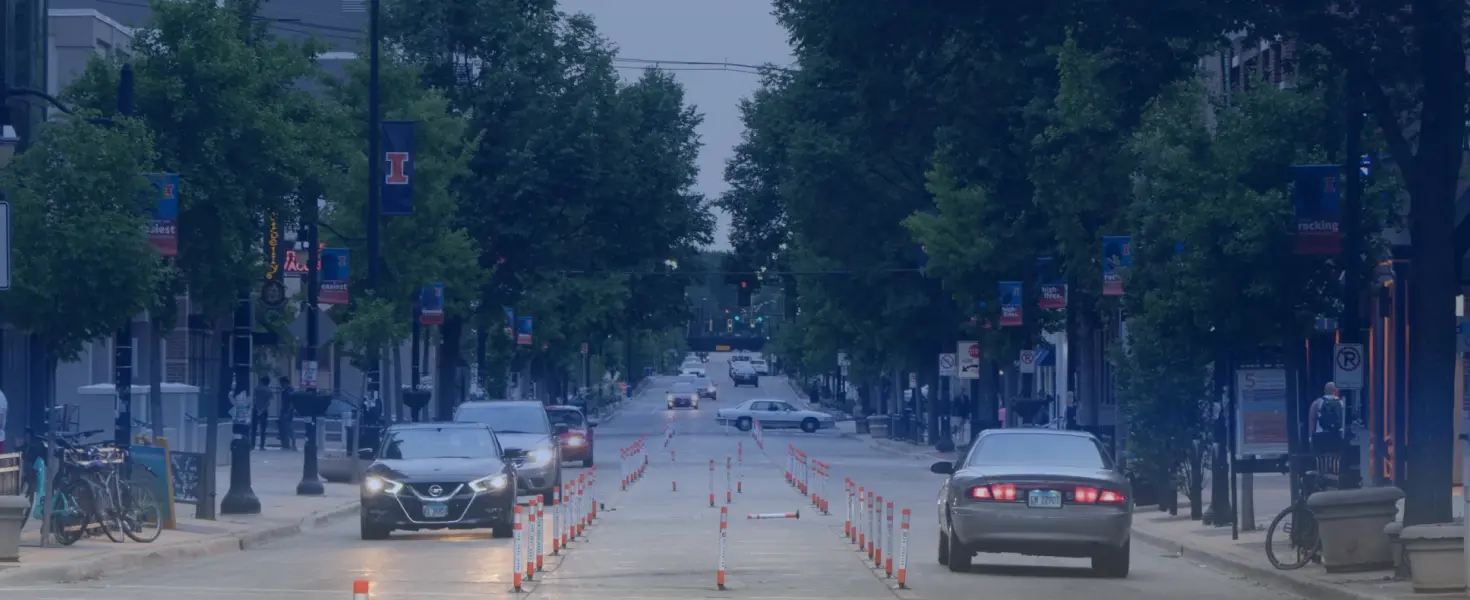



 Paris
Paris FR
FR EUR
EUR Right Side






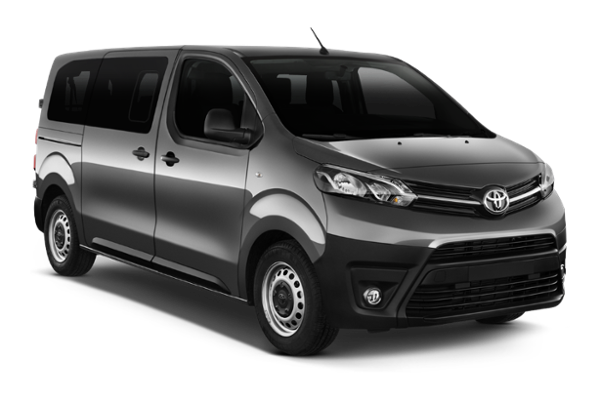





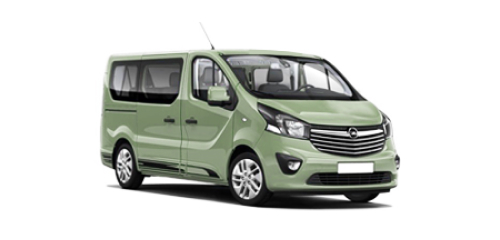
 Van Rental in Las Vegas
 Van Rental in United Kingdom
 Van Rental in Portugal
 Van Rental in Canada
 Van Rental in Australia
 Van Rental in Italy
 Truck Rental in Germany
 Truck Rental in France
 Truck Rental in Ireland
 SUV Rental in Spain-Mainland
 Premium Car Rental in Dubai
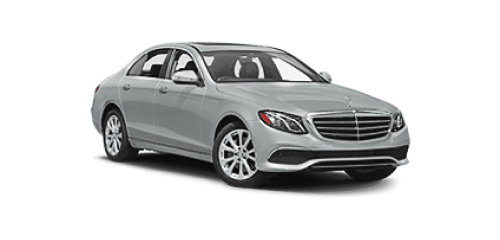
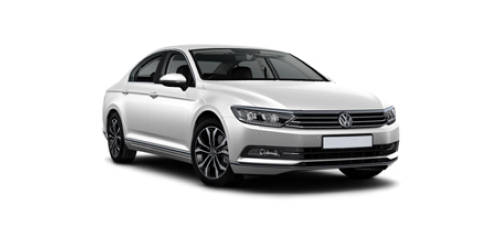
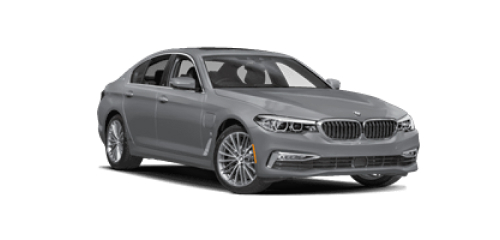
 Limousine Rental in Prague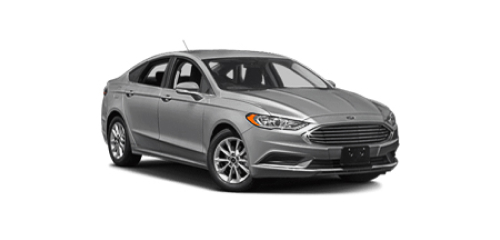
 Electric Car Rental in Iceland
 Electric Car Rental in New Zealand
 Economy Car Rental in Costa Rica

 Economy Car Rental in Greece